Reliable RSV information for parents
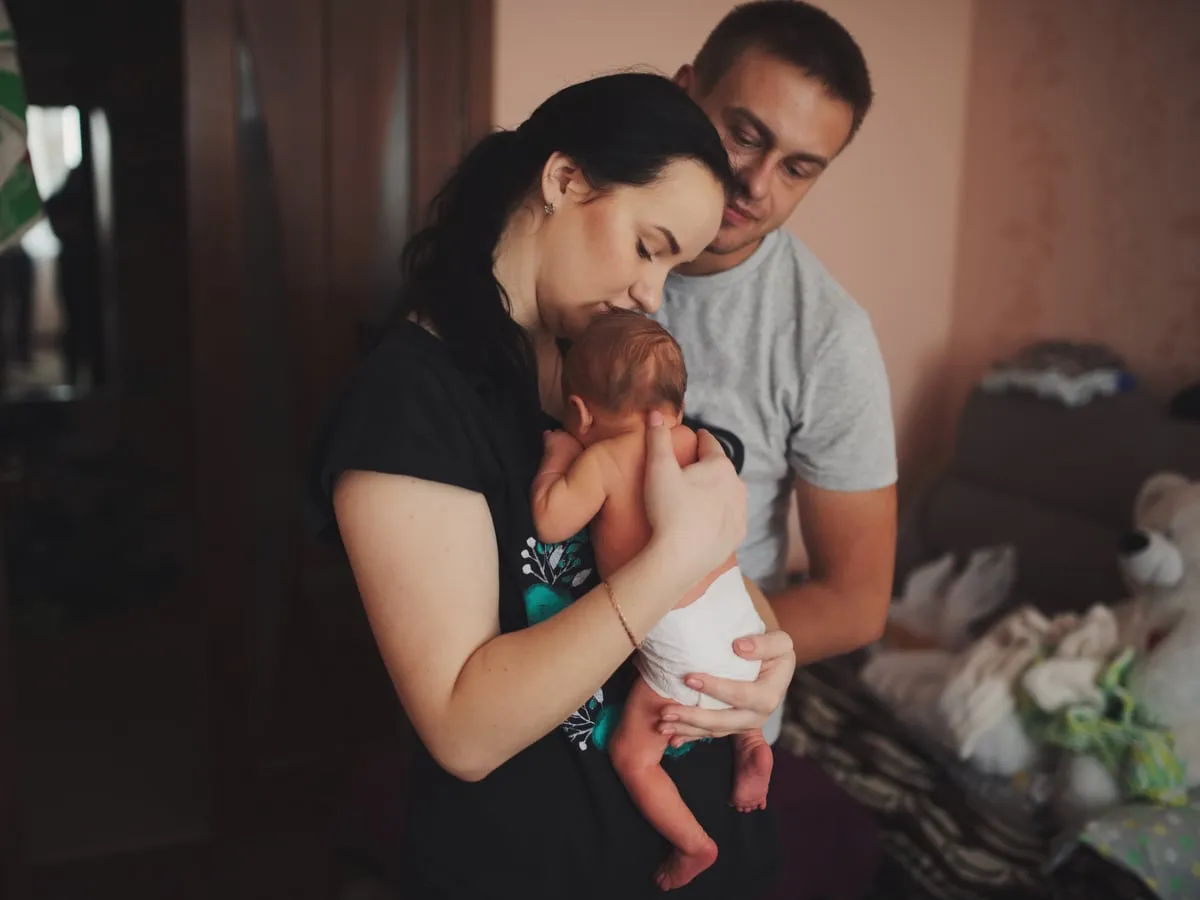
Babies born healthy can also be hospitalised because of RSV.
RSV (respiratory syncytial virus) can cause serious lower respiratory tract infections, particularly in the first months of life. In a multicentre study conducted in Türkiye, 70.6% of children admitted to paediatric intensive care with RSV had no underlying chronic condition.

- 70.6% Share of children admitted to paediatric intensive care with RSV who had no underlying chronic condition, in one multicentre study Çoban et al., 2026 · 646 children, 2020–2024
- Age 2 By which most children have encountered RSV at least once Canadian Paediatric Society, 2024
- 1 in 28 deaths Share of deaths among infants aged 0–6 months attributable to RSV, according to global estimates Li et al., 2022 · global modelling
- Dec–Feb When RSV activity is generally observed to be highest in Türkiye in available data Reference centre and sentinel surveillance data
For parents
If your baby has symptoms of a respiratory infection
Knowing which signs can be watched at home and which mean you should seek care reduces anxiety and helps you present in time. The pages below set out evidence-based information on symptoms, transmission and options for protection.
-

Symptoms and when to seek care
How soon symptoms appear, how they progress, and which signs mean you should not wait.
Read more -
How it spreads and how to prevent it
Routes of transmission, how long someone is contagious, and concrete steps at home.
Read more -

Ways to protect infants
Monoclonal antibody and maternal vaccination: what the evidence says and where Türkiye stands.
Read more
RSV season
The RSV season in Türkiye
Although RSV infections can occur year-round, in temperate climates they concentrate in particular months. Available data indicate that activity in Türkiye generally rises in autumn, reaches its highest level in winter and declines in spring.
During peak periods, RSV-related hospital presentations can rise 3–5 fold compared with off-season weeks.
Detailed national data on the onset, duration and regional variation of the season in Türkiye are limited.
Go to the season page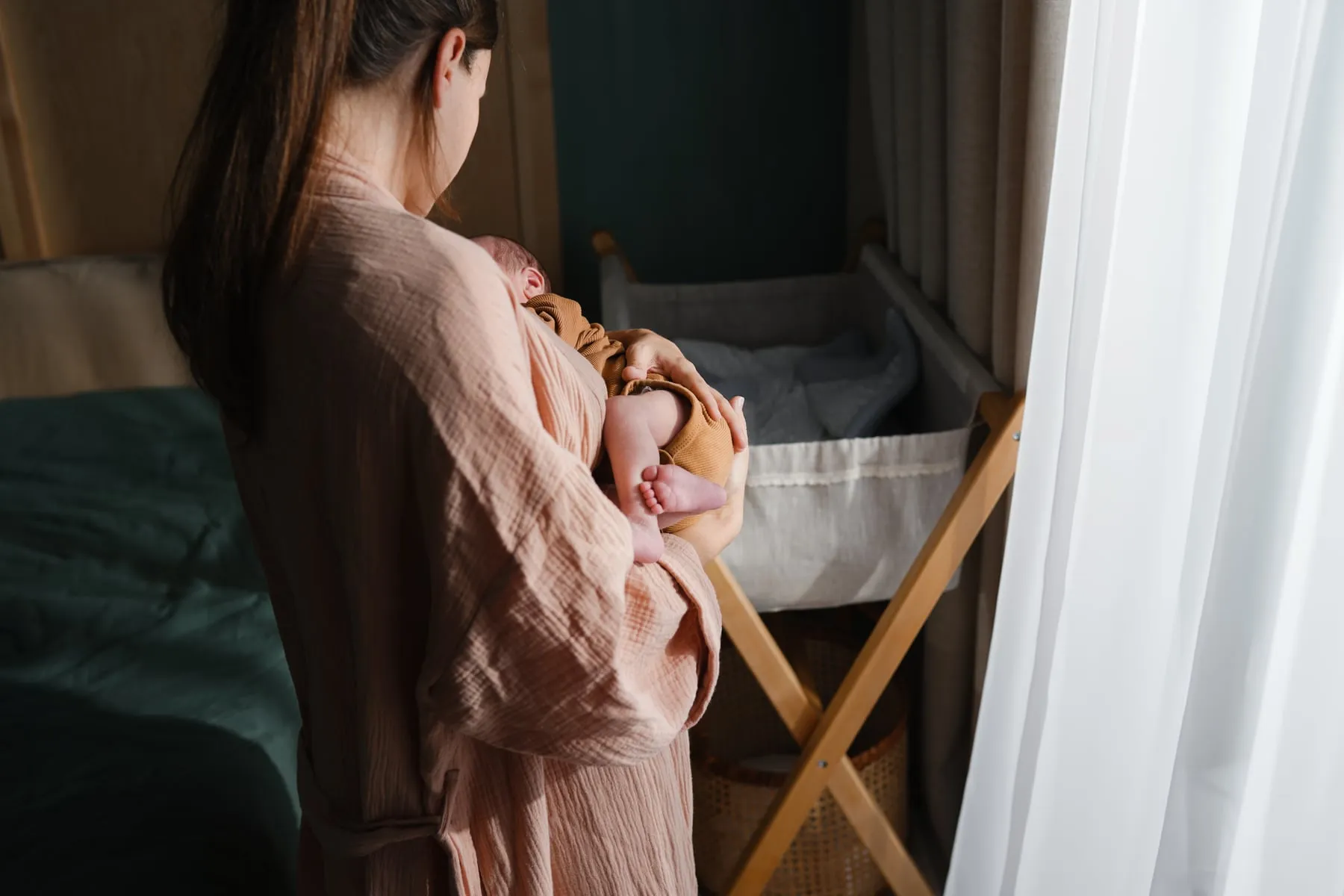
RSV does not affect only high-risk infants; it can also cause serious infections requiring hospital admission in babies born healthy.
Scientific background
Scientific background
For health professionals, decision-makers and anyone who wants to go deeper.
-
RSV in Türkiye
Local data, intensive care findings and the surveillance gap
-
RSV policy worldwide
Experience from Spain, France, Chile, the USA and the UK
-
Preventable infant deaths
The decisive role of poverty, housing, access and nutrition
-
Vaccine confidence
Trust, correct terminology and transparent communication
-
References
The full list of scientific sources behind every claim on this site
-
About
Who publishes this site and what our editorial principles are
Blog
Latest articles
Short assessments on RSV and child health.
-

Nirsevimab is not a vaccine: why terminology matters in RSV
Vaccine or antibody? With new preventive interventions against RSV, accurate terminology sits at the centre of trust.
-

RSV season is coming: an October–April guide for parents
Available data indicate RSV activity in Türkiye rises in autumn and peaks in the winter months. What this relatively predictable pattern means for families.
-
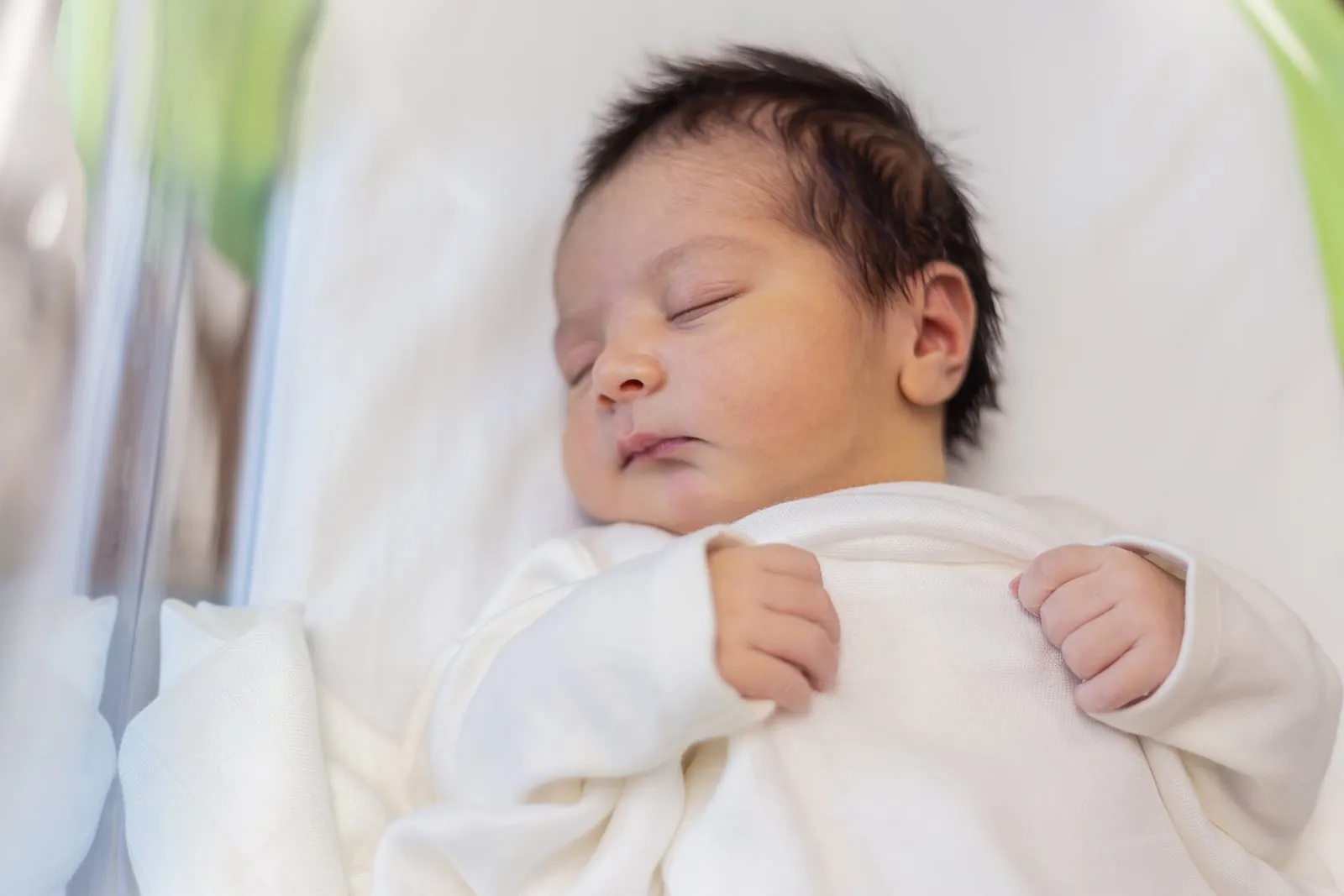
RSV is not only a problem for premature babies
In a multicentre study in Türkiye, 70.6% of children admitted to paediatric intensive care with RSV had no underlying chronic condition. Why that finding matters.